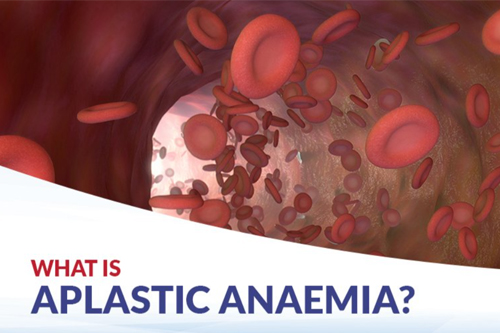
Aplastic anemia in nagpur is a disorder characterized by insufficient production of new blood cells by the body. This leads to fatigue, increased susceptibility to infections, and a heightened risk of uncontrolled bleeding.
Occurring rarely yet posing a serious threat, aplastic anemia can manifest at any age. It may onset abruptly or progress gradually over time, varying in severity from mild to severe.Treatment for aplastic anemia typically involves a combination of approaches, including medications, blood transfusions, and stem cell transplants, also referred to as bone marrow transplants.
Symptoms
Aplastic anemia may sometimes be asymptomatic, but when symptoms do occur, they can include:
Fatigue
Shortness of breath
Rapid or irregular heart rate
Pale skin
Frequent or prolonged infections
Unexplained or easy bruising
Nosebleeds and bleeding gums
Prolonged bleeding from cuts
Skin rash
Dizziness
Headache
Fever
Types of Aplastic Anaemia
Aplastic anemia can manifest in various forms:
Acquired Aplastic Anemia: This is the predominant type, often lacking an identifiable cause.
Inherited Bone Marrow Failure Syndromes: These are rare genetic conditions that can predispose individuals to aplastic anemia. Among these, Fanconi anemia is the most prevalent.
What is the treatment for aplastic anemia?
Treating immune-mediated aplastic anemia (AA) involves immune system suppression, achieved through daily medication intake or, in severe cases, a bone marrow transplant. For patients with a matched sibling donor, a bone marrow transplant is often the initial treatment choice. However, those without a matched sibling donor typically opt for immunosuppression therapy as the primary treatment, reserving matched unrelated donor transplants as a secondary option.
Additional supportive treatments for AA may encompass:
Red blood cell transfusions
Platelet transfusions
Antibiotics
Medications aimed at boosting white blood cell production
Best Hematology Doctor
Dr Rashmi Bande’s Hematology Clinic At Dr Rashmi Bande’s Hematology Clinic, we are dedicated to providing compassionate and comprehensive care for patients with blood disorders and hematologic conditions. Our Approach to Hematology Care At Dr Rashmi Bande’s Hematology Clinic, we understand that a diagnosis of a blood disorder can be overwhelming.Let’s Contact for more details or book appointment.