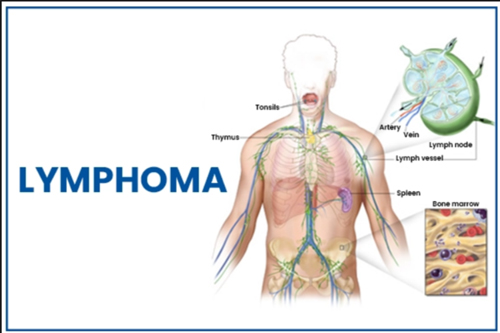
Lymphoma in nagpur, a cancer of the lymphatic system, encompasses various types, affecting lymph nodes, spleen, thymus gland, bone marrow, and other organs. The primary subtypes include Hodgkin’s lymphoma (formerly Hodgkin’s disease) and Non-Hodgkin’s lymphoma.
Determining the most suitable treatment for lymphoma depends on its type and severity. Treatment options may include chemotherapy, immunotherapy medications, radiation therapy, bone marrow transplant, or a combination of these approaches.
Symptoms
Many symptoms of lymphoma resemble those of less serious illnesses. Experiencing these symptoms doesn’t necessarily indicate lymphoma, but it’s wise to consult a healthcare provider if you notice persistent changes in your body lasting more than a few weeks.
Common symptoms shared by Hodgkin lymphoma and non-Hodgkin lymphoma may include:
Painless swelling of one or more lymph nodes in the neck, armpits, or groin, persisting for several weeks.
Continuous fatigue, even after ample rest, where you feel persistently drained day after day.
Fever persisting above 103 degrees Fahrenheit (39.5 degrees Celsius) for more than two days, or recurrent fever episodes.
Profuse night sweats, characterized by intense sweating leading to waking up with soaked pajamas and sheets.
Breathlessness (dyspnea), a sensation of insufficient air intake into the lungs.
Unexplained weight loss, defined as losing 10% of total body weight over six months without intentional dieting or exercise.
What are lymphoma treatments?
Treatment approaches for lymphoma vary depending on the specific type. For instance, if you have a slow-growing lymphoma, your healthcare provider might suggest active surveillance, where they closely monitor your health and signs of lymphoma before initiating treatment.
Common treatments for lymphoma include:
Chemotherapy
Radiation therapy
Targeted therapy
Immunotherapy
CAR T-cell therapy
Stem cell (bone marrow) transplantation
Additionally, your provider may incorporate palliative care into your treatment plan. Palliative care aims to assist in symptom management and alleviating treatment side effects while providing emotional and spiritual support. This can involve medication, stress management activities, and counseling.
Best Hematology Doctor
Dr Rashmi Bande’s Hematology Clinic At Dr Rashmi Bande’s Hematology Clinic, we are dedicated to providing compassionate and comprehensive care for patients with blood disorders and hematologic conditions. Our Approach to Hematology Care At Dr Rashmi Bande’s Hematology Clinic, we understand that a diagnosis of a blood disorder can be overwhelming.Let’s Contact for more details or book appointment.