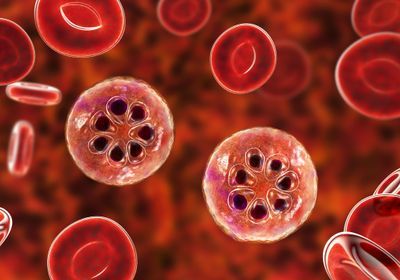
Malaria is the potentially life-threatening disease caused by parasites that are transmitted to the people through the bites of infected female Anopheles mosquitoes. The disease is the most prevalent in tropical or subtropical regions, particularly in sub-Saharan Africa, Asia, or Latin America. Malaria is a serious and sometimes life-threatening disease caused by a parasite that infects red blood cells. It’s transmitted through the bite of an infected female Anopheles mosquito.
What are the Symptoms In Malaria?
Symptoms of malaria usually appear 10 days to 4 weeks after infection but can appear as early as 7 days or as late as a year. Common symptoms include:
Fever and chills
Headache
Nausea and vomiting
Muscle pain and fatigue
Sweating
Abdominal pain
Diarrhea
Anemia
Jaundice (yellowing of the skin and eyes)
Causes
Malaria is caused by parasites of the genus Plasmodium. There are five species that cause malaria in humans:
Plasmodium falciparum: The most severe and deadly form, prevalent in Africa.
Plasmodium vivax: Common in Asia and Latin America; can cause relapses.
Plasmodium ovale: Similar to P. vivax, found in Africa and the Pacific islands.
Plasmodium malariae: Can cause chronic infection.
Plasmodium knowlesi: Found in Southeast Asia; can cause severe infection.
Treatment of Malaria
Treatment depends on the Plasmodium species, the severity of symptoms, and the patient’s condition. Common treatments include:
Artemisinin-based Combination Therapies (ACTs): The most effective treatment for P. falciparum.
Chloroquine: Effective for P. vivax, P. ovale, and P. malariae, but not for chloroquine-resistant P. falciparum.
Primaquine: Prevents relapses of P. vivax and P. ovale.
Other Medications: Quinine, mefloquine, and atovaquone-proguanil.